Heart disease remains one of the leading causes of death worldwide, and conditions affecting the heart valves—especially the aortic valve—can significantly affect a person’s quality of life. Traditionally, treating severe aortic valve disease required open-heart surgery, a major operation that involves opening the chest and temporarily stopping the heart.
Today, medical innovation has changed that reality. One of the most advanced developments in modern cardiology is Transcatheter Aortic Valve Replacement (TAVR)—a minimally invasive procedure that allows doctors to replace a damaged aortic valve without performing open-heart surgery.
For patients seeking TAVR in the Philippines, Chinese General Hospital and Medical Center (CGHMC) is a pioneer in and amongst the institutions at the forefront of this transformative heart treatment. With advanced technology, experienced specialists, and a dedicated structural heart program, CGHMC provides patients with a safer, less invasive path to restoring heart health.
Understanding Aortic Valve Disease
The heart contains four valves that regulate blood flow. One of the most important is the aortic valve, which allows oxygen-rich blood to flow from the heart to the rest of the body.
When this valve becomes narrowed or stiff—a condition called aortic valve stenosis—the heart must work harder to pump blood. Over time, this strain can lead to serious complications, including heart failure.
Common causes of aortic valve stenosis include:
- Age-related calcification of the valve
- Congenital heart valve abnormalities
- Rheumatic heart disease
- Degenerative changes associated with aging
Symptoms may appear gradually and can include:
- Chest pain or pressure
- Shortness of breath
- Fatigue during activity
- Dizziness or fainting
- Heart palpitations
In severe cases, untreated aortic valve stenosis is life-threatening. For many years, open-heart valve replacement surgery was the only effective treatment. Over the last 14 years, TAVR in the Philippines offers a revolutionary alternative.
What Is TAVR?
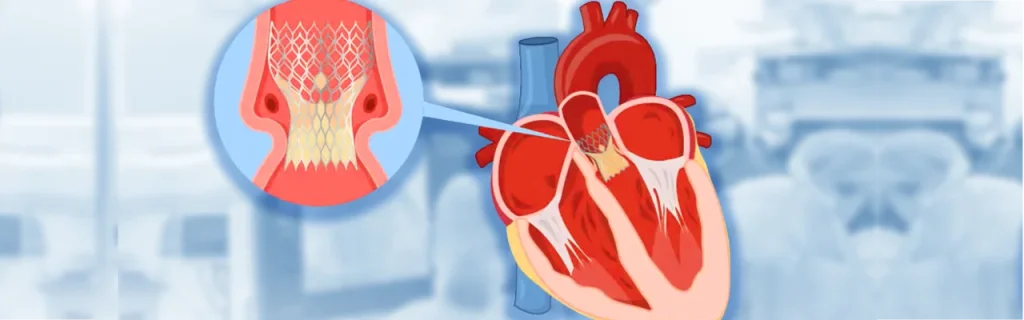
Transcatheter Aortic Valve Replacement (TAVR) is a minimally invasive procedure used to replace a diseased aortic valve without removing the old valve through open surgery.
Instead of opening the chest, doctors insert a thin, flexible tube called a catheter through a blood vessel—usually in the groin. This catheter carries a collapsible artificial valve that is guided to the heart.
Once positioned inside the damaged valve, the new valve expands and begins functioning immediately, restoring normal blood flow.
Because the procedure avoids large surgical incisions, TAVR is considered a minimally invasive heart procedure, offering many benefits compared with traditional surgery.
Who Can Benefit from TAVR?
Initially, TAVR was developed for patients who were considered too high-risk for open-heart surgery. Over time, studies have shown that it can also be effective for patients with intermediate or even lower surgical risk.
Doctors may recommend TAVR in the Philippines for patients who:
- Have severe symptomatic aortic valve stenosis
- Are considered high-risk for open-heart surgery
- Have other medical conditions that increase surgical risk
- Prefer a less invasive treatment option
However, not every patient is automatically eligible. Each case must be carefully evaluated by a multidisciplinary heart team, which typically includes cardiologists, cardiac surgeons, imaging specialists, and anesthesiologists.
At CGHMC, this collaborative approach ensures that patients receive the treatment option best suited to their condition.
How the TAVR Procedure Works
The TAVR procedure typically follows several carefully coordinated steps:
1. Comprehensive Evaluation
Before the procedure, patients undergo detailed diagnostic tests such as:
- Echocardiography
- CT scans
- Cardiac catheterization
- Blood tests and imaging studies
These tests help the medical team determine the severity of the valve disease and assess whether TAVR is the best option.
2. Catheter Insertion
During the procedure, the cardiologist inserts a catheter through a blood vessel—commonly through the femoral artery in the groin.
This approach allows the doctor to reach the heart without making a large chest incision.
3. Valve Placement
A replacement valve mounted on the catheter is guided to the heart and carefully positioned inside the diseased aortic valve.
The new valve is then expanded, pushing aside the damaged valve leaflets and immediately restoring blood flow.
4. Recovery and Monitoring
Once the valve is securely in place, the catheter is removed. Patients are monitored closely as the heart begins functioning with the new valve.
The entire procedure typically takes one to two hours, significantly shorter than many openheart operations.
Advantages of TAVR Over Open-Heart Surgery
One of the main reasons TAVR in the Philippines is gaining attention is its many advantages for eligible patients.
Minimally Invasive Approach
Because the procedure uses a catheter rather than a large incision, patients avoid the trauma associated with opening the chest and cutting through the breastbone.
Faster Recovery
Many patients can begin walking within a day after the procedure and may return home sooner compared to traditional surgery.
Reduced Surgical Risk
For elderly patients or those with multiple medical conditions, TAVR can significantly reduce the risks associated with major surgery.
Improved Quality of Life
Patients often experience rapid relief from symptoms such as breathlessness and fatigue, allowing them to resume daily activities more comfortably.
Shorter Hospital Stay
Hospital stays following TAVR are typically shorter, helping patients recover in the comfort of their homes sooner.
Structural Heart Solutions at CGHMC
Chinese General Hospital and Medical Center continues to lead advancements in structural heart disease treatment in the Philippines.
The hospital’s cardiology and cardiovascular teams offer a comprehensive range of advanced procedures designed to treat complex heart conditions using minimally invasive techniques.
These include:
- Transcatheter Aortic Valve Replacement (TAVR)
- Transcatheter Edge-to-Edge Repair (TEER / MitraClip)
- Left Atrial Appendage Occlusion (LAAO / Watchman)
- Caval Valve Implantation (CAVI)
- Transcatheter Mitral Valve Replacement (TMVR)
- Advanced cardiac imaging and diagnostics
Through these structural heart solutions, CGHMC provides patients access to cutting-edge treatments that previously required highly invasive surgery.
Why Choose CGHMC for TAVR in the Philippines?
When considering Transcatheter Aortic Valve Replacement (TAVR) in the Philippines, choosing a center with proven expertise, advanced technology, and a strong clinical track record is essential.
At Chinese General Hospital and Medical Center (CGHMC), we are proud to be among the pioneers of TAVR in the Philippines, performing one of the highest volumes of cases in the country with consistently high success rates.
Our leadership in the field extends beyond patient care—we actively train and mentor other cardiovascular teams across Metro Manila and the provinces, helping elevate the standard of TAVR nationwide.
CGHMC stands out for several reasons:
Experienced Heart Specialists
The hospital’s cardiologists and cardiovascular surgeons have extensive experience managing complex heart valve diseases and performing advanced procedures.
Multidisciplinary Heart Team Approach
Each patient benefits from a collaborative team of experts who evaluate the condition and recommend the most appropriate treatment plan.
Advanced Medical Technology
CGHMC uses state-of-the-art imaging and catheter-based technology to ensure precise valve placement and optimal outcomes.
Comprehensive Patient Care
From diagnosis to recovery, patients receive coordinated care that prioritizes safety, comfort, and long-term heart health.
When Should You See a Doctor?
If you or a loved one experiences symptoms that could indicate aortic valve disease, early evaluation is important.
You should consider seeking medical attention if you notice:
- Persistent shortness of breath
- Chest discomfort during activity
- Unexplained fatigue
- Dizziness or fainting
- Reduced ability to exercise
Early diagnosis allows doctors to monitor the condition and determine the right time for treatment.
For patients diagnosed with severe aortic valve stenosis, Transcatheter Aortic Valve Replacement may offer a life-changing solution.
A New Era of Heart Valve Treatment
The introduction of TAVR in the Philippines marks a significant step forward in cardiovascular care. What once required major open-heart surgery can now be treated through a minimally invasive approach that reduces recovery time and surgical risk.
For patients with aortic valve disease, this advancement represents more than just new technology—it offers renewed hope for better heart health and improved quality of life.
At Chinese General Hospital and Medical Center, patients have access to advanced structural heart solutions delivered by experienced specialists dedicated to excellence in cardiac care.
If you or someone you love is experiencing symptoms of heart valve disease, consulting with a cardiologist may be the first step toward discovering whether TAVR is the right treatment option.