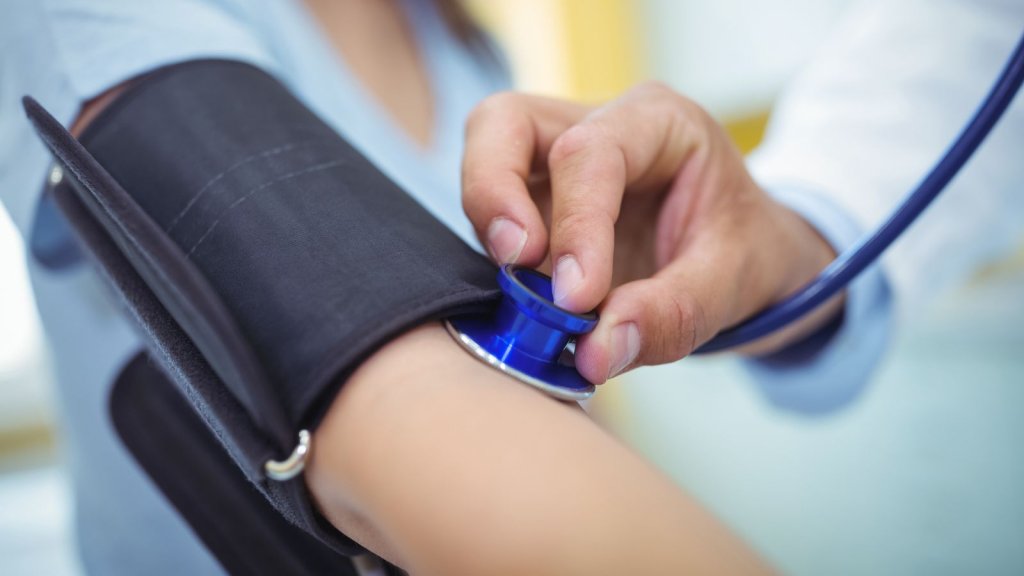
Many people in the Philippines are living with hypertension without knowing it.
They feel well. They work normally. They sleep fine. They have no pain.
Yet their blood pressure is silently damaging their heart, brain, kidneys, and blood vessels.
This is why hypertension is often called the “silent killer.” And this is why early detection matters — even when nothing feels wrong.
At Chinese General Hospital and Medical Center (CGHMC), heart care begins not in emergencies, but in prevention.
Why Hypertension Is Called the Silent Killer
Hypertension, or high blood pressure, occurs when the force of blood pushing against artery walls remains consistently elevated.
Over time, this constant pressure stiffens arteries can cause blockages and aneurysms, enlarges the heart muscle, increases risk of stroke, damages kidney function, and raises risk for heart attack.
What makes hypertension dangerous is that it often has no obvious symptoms.
You may not feel headaches, chest pain, dizziness, and fatigue until complications begin.
By the time symptoms appear, damage may already be significant and become symptoms of a stroke or heart attack.
This is why hypertension screening in the Philippines is critical — especially for adults over 30.
How Common Is Hypertension in the Philippines?
Hypertension remains one of the leading risk factors for stroke, heart attack, heart failure, chronic kidney disease. Lifestyle factors such as high-sodium diets, sedentary routines, stress, smoking, diabetes contribute significantly to risk.
Even individuals who appear healthy and active can develop elevated blood pressure.
Regular heart checks are not only for those with symptoms — they are for those who want to prevent them.
You Can Feel Fine — and Still Be at Risk
One of the most dangerous misconceptions is:
“If I feel okay, I must be okay.”
High blood pressure symptoms may not appear until:
- Blood pressure reaches very high levels
- Organ damage begins
- A stroke or heart event occurs
This is why routine monitoring is essential.
A simple blood pressure reading can:
- Detect early elevation
- Identify trends over time
- Guide lifestyle or medication decisions
But comprehensive heart care goes beyond just one number.
What a Complete Heart Check Really Includes
At CGHMC Heart Institute, a preventive heart assessment may include:
- Blood pressure monitoring
- Lipid profile (cholesterol levels)
- Blood sugar testing
- ECG (electrocardiogram)
- Risk assessment based on age and family history
For patients with additional risk factors, further evaluation may be recommended.
The goal is not alarm — but clarity.
When patients understand their numbers, they can make informed decisions about their health.
Who Should Get a Heart Check?
You should consider a heart screening if you:
- Are 30 years old and above
- Have a family history of hypertension or heart disease
- Are overweight or sedentary
- Have diabetes
- Smoke
- Experience chronic stress
Even young adults benefit from baseline readings.
Prevention works best when started early.
What Happens If Hypertension Is Detected?
If elevated blood pressure is identified, doctors may recommend:
Lifestyle Modifications
- Reduced salt intake
- Regular physical activity
- Weight management
- Stress reduction
- Smoking cessation
Medical Management (If Necessary)
- Antihypertensive medications
- Ongoing monitoring
- Regular follow-up
The earlier hypertension is detected, the simpler the intervention often is. Untreated hypertension can lead to costly and life-threatening emergencies. Treated early, it is manageable.
When to Seek Immediate Care
While hypertension itself may be silent, certain symptoms require urgent evaluation:
- Sudden chest pain
- Severe headache
- Shortness of breath
- Sudden weakness or numbness
- Vision changes
These may signal stroke or cardiac complications and require immediate medical attention. CGHMC’s Emergency Department is open 24/7 for urgent cardiac concerns.
Why Choose CGHMC Heart Institute?
CGHMC provides:
- Experienced cardiologists
- Comprehensive diagnostics under one roof
- Clear interpretation of results
- Preventive-focused care
- Coordinated follow-up
As a trusted hospital in Manila, CGHMC combines advanced diagnostics with a calm, patient-centered approach.
Here, care is guided by both expertise and reassurance.
Take the First Step
You do not need to wait for symptoms. You do not need to feel unwell. A heart check today may prevent complications tomorrow.
Take care of your heart with a complete check at the CGHMC Heart Institute.
Call (02) 8711 4141 to schedule your heart screening. Safe at Alaga Kayo Dito.